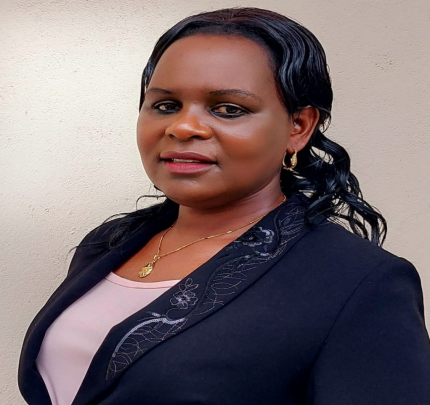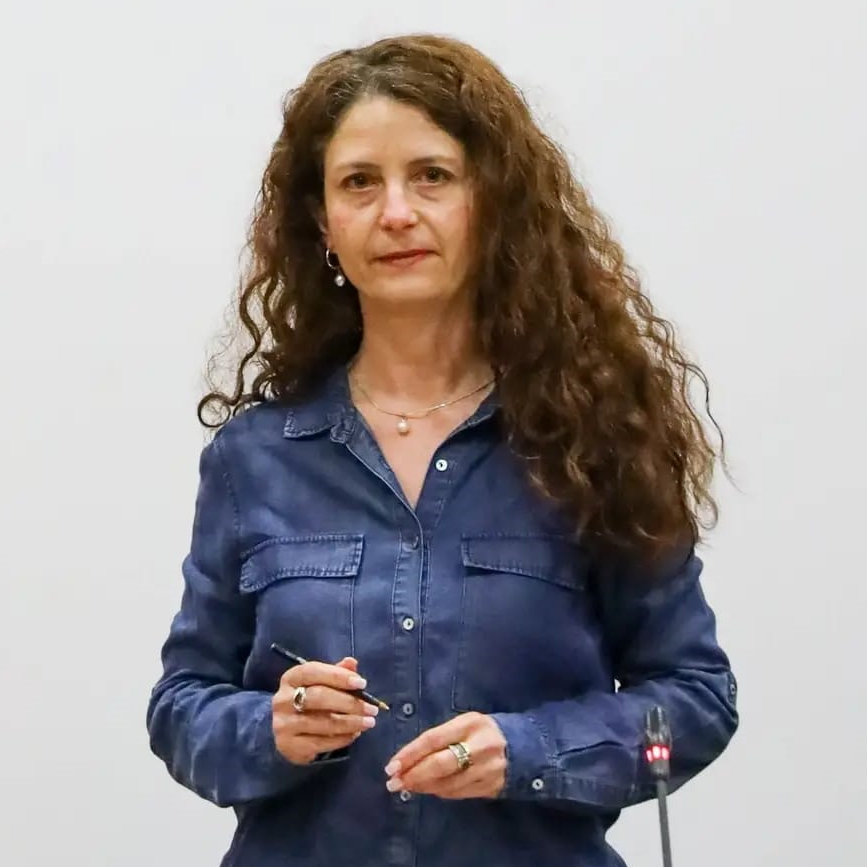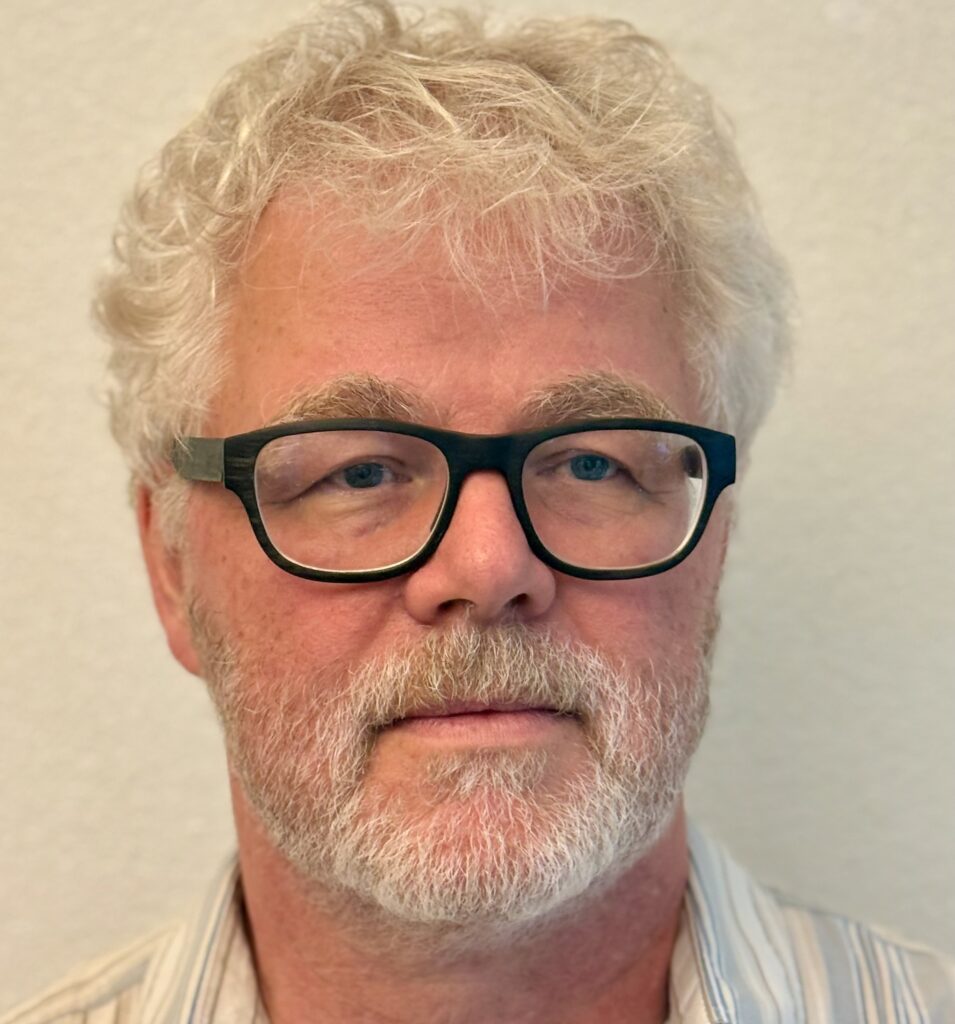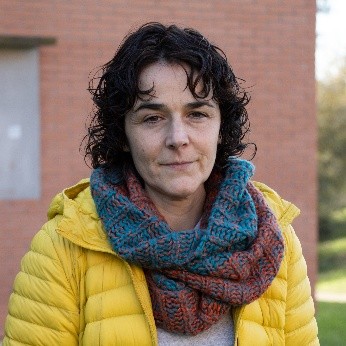
Dr. Paolo Bertuletti (University of Bergamo) Dr. Paolo Bertuletti is a tenure-track researcher at the University of Bergamo (Italy), where he teaches in the Bachelor’s Degree in Educational Sciences and the Master’s Degree in Primary Teacher Education. His research has focused on two main areas: Vocational Education and Training from a historical and comparative perspective, and Early Childhood Education and Care. He has been involved in several national and international research projects in both fields. He also serves as Editor-in-Chief of the scientific journal CQIIA Rivista (eISSN 2039-4039) and is a member of the editorial board of the International Journal of Vocational Education Studies (IJVES) (eISSN 2940-3790).
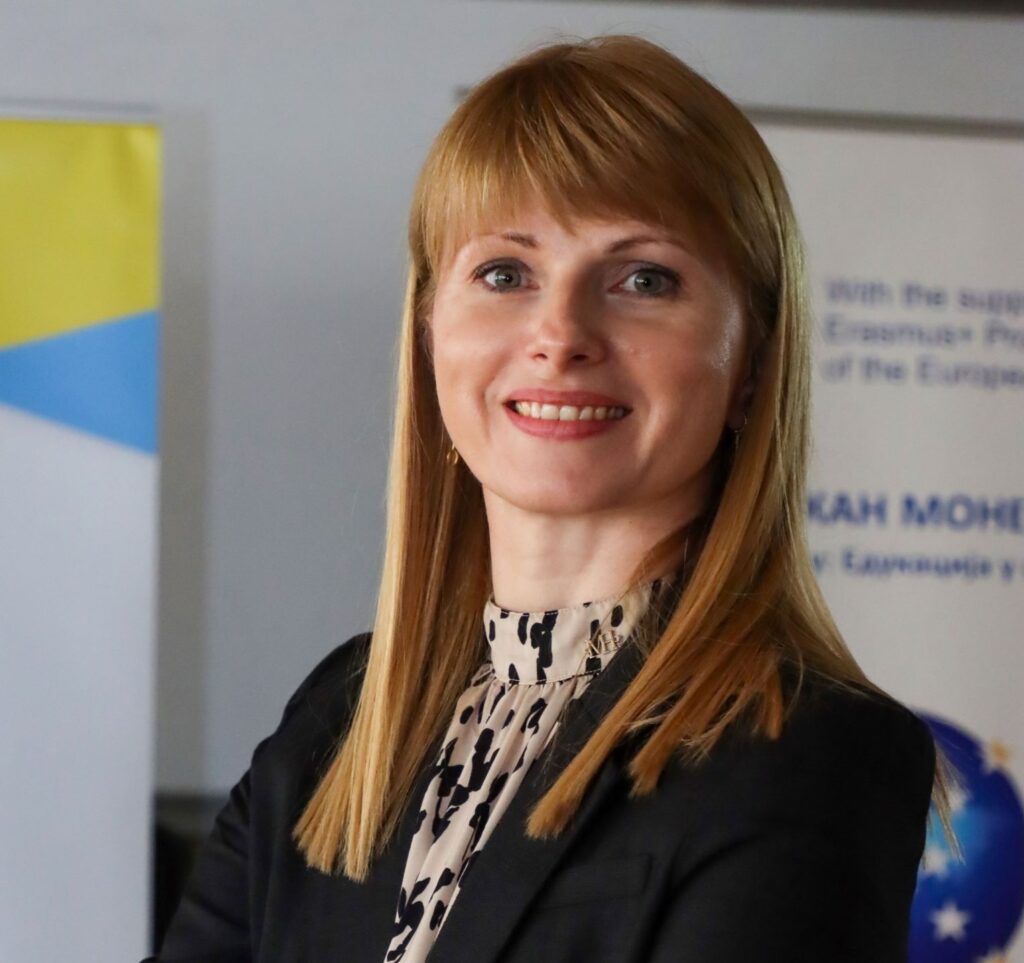
Dr. Fernando Bolaños Zarate (Universidad de Desarollo) Researcher Professor Fernando Bolaños Zarate is affiliated with the Center for Research for the Improvement of Learning (CIMA) and the Nucleus for Digital Inequalities and Opportunities (NUDOS). He holds advanced degrees in Education from Pontificia Universidad Católica de Chile, Journalism and Public Affairs from Centro de Investigación y Docencia Económicas, and Business Administration from Universidad Iberoamericana. His research explores digital literacies, technical and vocational education and training (TVET), and library and information studies, with a focus on how policies and institutional standards shape educational practices and students’ experiences in Chilean vocational schools, technical training
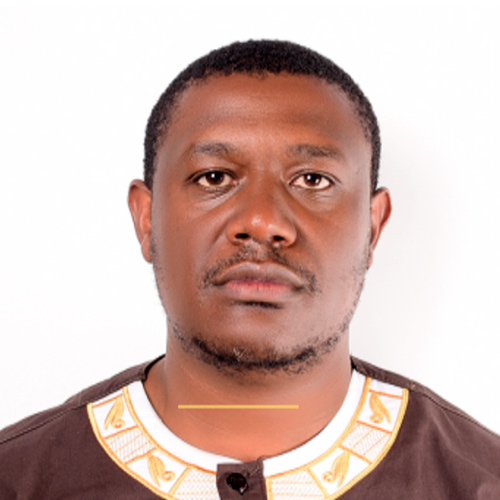
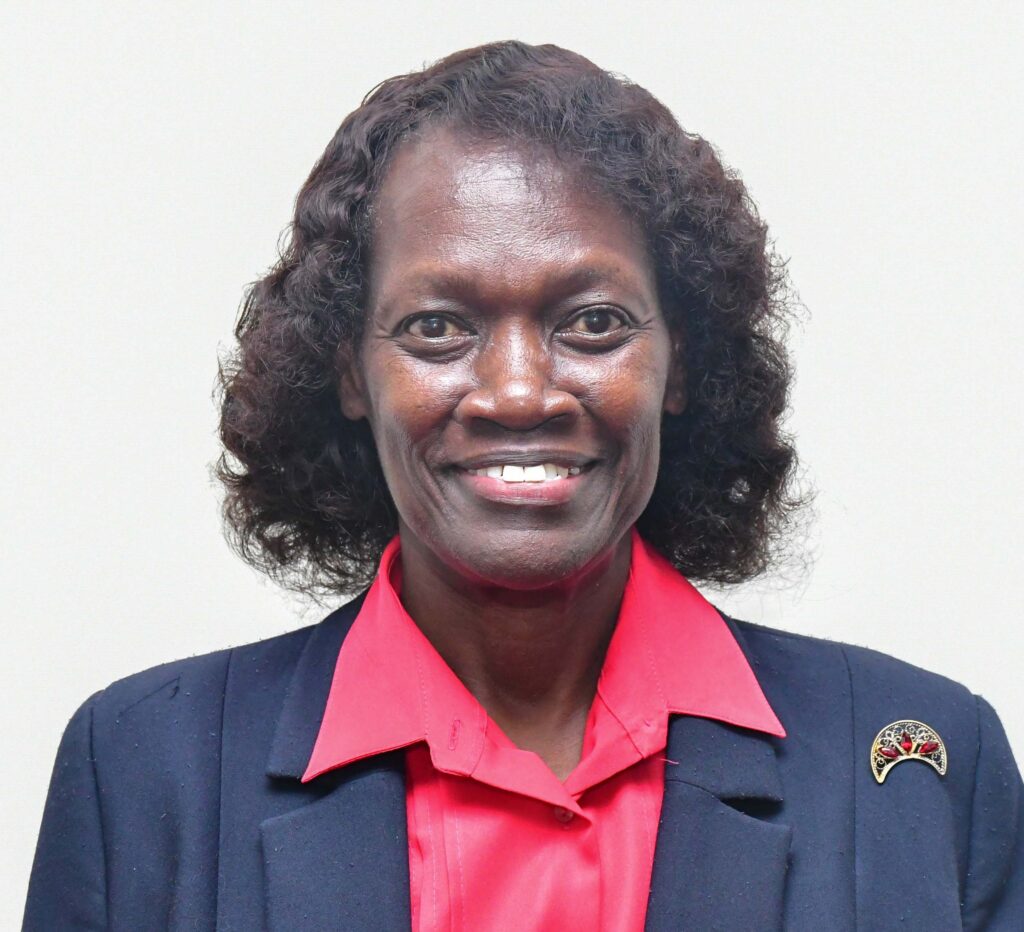
Prof. Ratemo Makiya Cyrian (Maasai Mara University) Prof. Ratemo Makiya Cyprian (PhD) is an Associate Professor of Information Technology and Director of the Centre for ICT and E-learning at Maasai Mara University, with over fifteen years of teaching experience. His extensive leadership portfolio spans multiple Kenyan universities, including roles as Dean of the School of Pure and Applied Sciences and Chair of Computing and Information Technology at Mama Ngina University, Director of ICT at Karatina University, E-learning Director at Kisii University, and Campus Coordinator at Maseno University. He holds a PhD in Information Technology alongside postgraduate qualifications in Information Sciences and Quantitative Research Methods, and a BSc in Computer Science and Engineering. His interdisciplinary expertise continues to shape the advancement of ICT integration and e-learning in higher education across Kenya.
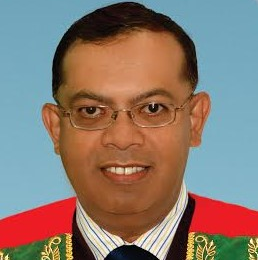
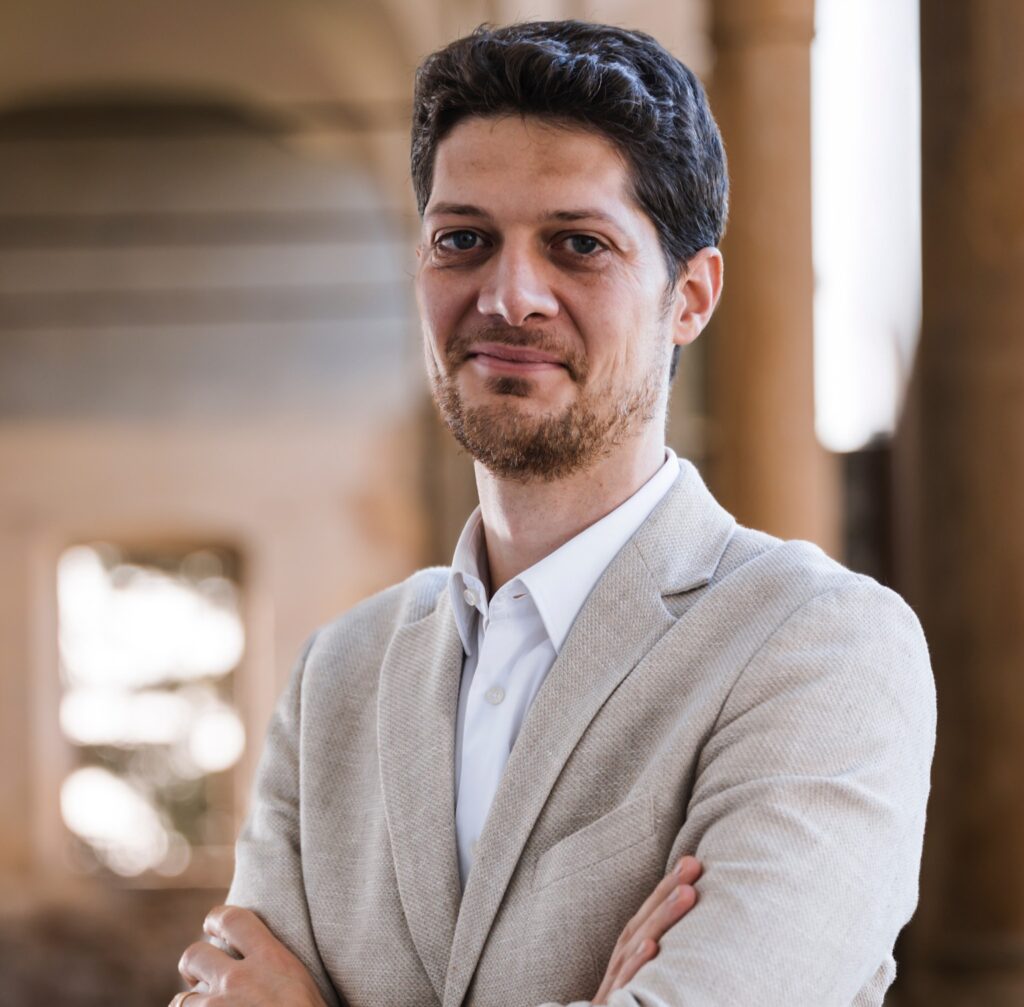
Prof. Mohamed Esham (Sabaragamuwa University of Sri Lanka) Senior Professor Mohamed Esham’s research focuses on agribusiness management, food systems, climate change, and the circular economy. A Fulbright scholar with a PhD from Tottori University Japan, he has made substantial contributions to agricultural sciences through his academic leadership as Dean of the Faculty of Agricultural Sciences at the Sabaragamuwa University of Sri Lanka. With over 40 peer-reviewed publications, Esham has fostered extensive international collaborations through visiting professorships in Japan and Switzerland and visiting fellowships in Australia, United Kingdom, USA and Finland. His global impact is further evidenced by his consultancy for organizations like the World Bank, FAO, UNIDO and ILO.
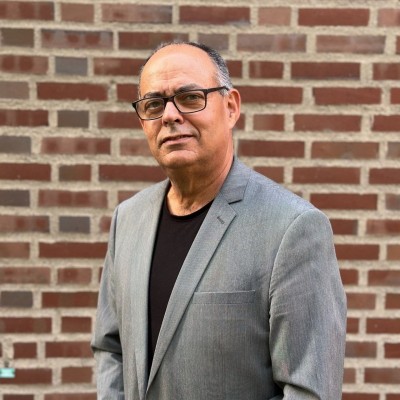
Prof. Dr. Frank de Jong (Open University of the Netherlands) Frank de Jong is a professor at the Open University with the research assignment ‘Responsive learning as knowledge construction. Creating knowledge, ‘knowledge building’, collectively developing ideas in relation to current social issues. He is also a professor at the Aeres University of Applied Sciences Wageningen and ‘academic director’ of the MEd Master Learning and Innovation for vocational education and business. His professorship concerns ‘Knowledge building and ecologically intelligent thinking’. Frank is a learning and experimental psychologist and obtained his PhD on the topic of ‘independent learning.’ Worked at various universities (TUE, RadBoud, WUR), National Training Institute Police and Dutch Railways (NS Opleidingen) training.
Prof. Dr. Ralph Dreher (University of Siegen) Prof. Dr. Ralph Dreher’s research focuses on technical vocational education and training, technology didactics, competence development, and the design and evaluation of vocational learning processes. As founder and head of the Chair of Technology Didactics at Vocational Colleges at the University of Siegen, he has made significant contributions to the development of teacher education for technical vocational colleges, project-based learning curricula, and competence assessment in technical and vocational education and training.
Dr. Sumaya Frick (University of Arizona) With a PhD in Education Leadership Policy and Practice, a Master’s in Public Administration and certified in Collaborative Governance, Dr Frick’s work and research focuses on the complexities of national and international education systems, and their effect on national and regional economic development, sustainability, and poverty abatement policies. Fluent in multiple languages, Dr Frick has enjoyed a career working with multinational and multilateral organizations such as the UN, World Bank, USAID, the OAS, and international NGOs. Dr Frick is a public policy professor at the University of Arizona, and at the state and national levels has served in a policy advocacy role. Dr Frick also serves on IVETA’s board.
Prof. Dr. Dr. h.c. Michael Gessler (Institute Technology and Education, University of Bremen) Prof. Dr. Dr. h.c. Michael Gessler’s research focuses on vocational education and training (TVET), continuing professional development, learning transfer, competence development, and the internationalization of VET systems. He is the founding Editor-in-Chief of the International Journal for Research in Vocational Education and Training (IJRVET) and has made substantial contributions to comparative and international TVET research through extensive academic leadership, international collaborations, and visiting professorships worldwide.
Dr. Leena Kloppers (Namibia University of Science and Technology) Dr. Leena Kloppers is a senior academic and Head of Department for Technical and Vocational Education and Training (TVET) at the Namibia University of Science and Technology (NUST). She holds a PhD in E-Research and Technology Enhanced Learning from Lancaster University. Her research expertise includes technology-enhanced learning, vocational education systems, curriculum innovation, and digital transformation in higher education.
She is the Editor-in-Chief of the Namibian Journal of Technical and Vocational Education and Training (NJTVET) and has contributed to institutional and national initiatives in curriculum development, academic quality enhancement, and TVET system strengthening.
Prof. Lázaro Moreno Herrera (Stockholm University) Prof. Lázaro Moreno Herrera is a researcher in the field of education, with work focusing on vocational education and training (VET), vocational didactics, and comparative approaches to teaching and learning in technical and vocational contexts. He has been affiliated with the Department of Education at Stockholm University and has co-authored scholarly publications on vocational didactics and international perspectives on VET systems, including comparative analyses of approaches in Denmark, Germany, Norway, Spain, and Sweden. His work contributes to debates on curriculum design, work-based learning, and the pedagogical foundations of vocational education.
Prof. Beatrice N. Manyasi (Maasai Mara University) Prof. Beatrice N. Manyasi (PhD) is an Associate Professor of Education at Maasai Mara University, where she serves as Director of the Board of Postgraduate Studies and coordinates Competency-Based Education and Training (CBET) programmes in the Department of Education, Communication, Technology and Curriculum Studies. Holding a PhD from Moi University, she has published extensively in refereed journals and academic books, with scholarly and professional interests spanning teacher education, language education, e-learning, curriculum instruction, educational research, and educational technology. Over her academic career, Prof. Manyasi has held several leadership positions at Maasai Mara University, including Dean of the School of Education, Chair of Department, and Director of the Kajiado Campus. She is an active member of professional associations including ASELER, DOLPAK, and SEREK.
Prof. Dr. Sandrina Milhano (Politécnico de Leiria) Prof. Dr. Sandrina Milhano is an Associate Professor in Education and a researcher at the Centre for Studies in Education and Innovation (CI&DEI). Her work focuses on teacher education, arts-based and innovative pedagogies, and the development of future skills. She is actively involved in international and European initiatives promoting educational innovation, collaboration, and mobility.
Dr. Miruna-Luana Miulescu (University of Bucharest) Dr. Miruna-Luana Miulescu is a Lecturer at the Faculty of Psychology and Educational Sciences, University of Bucharest, and a Senior Researcher at the Institute of Educational Sciences, Romania. Her academic and research interests focus on curriculum development, pre-university teacher training, the enhancement of students’ academic competencies, and the integration of new media in education.
Her expertise is documented through the publication of books, contributions to collective volumes, and educational policy analysis reports. In addition to her academic work, Dr. Miulescu is actively involved in the implementation and coordination of multiple European-funded projects aimed at educational reform and innovation.
Prof. Jonathan Mwau Mulwa (Rongo University) Prof. Jonathan Mulwa is the Dean of the School of Arts, Social Sciences and Business, an Associate Professor of Finance in the Department of Business, Tourism and Hospitality in Rongo University and a certified investment and financial analyst.
He joined Rongo University as a Senior Lecturer in 2017 and was appointed the Head of Department of Business Studies. In 2022, Prof. Mulwa was appointed acting dean of the school of Arts, Social Sciences and Business, rising to substantive Deanship and Associate Professor in July 2023. As a dean, Prof. Mulwa is responsible for the administrative and academic operation of the School.
Prof. Mulwa holds a doctorate degree in Finance, a Master of Business Adminstration in Finance and a Bachelors degree in Finance and Banking.
Dr. Christof Nägele (University of Basel (IBW) and the University of Applied Sciences and Arts Northwestern Switzerland (PH FHNW) Dr. Christof Nägele is a researcher and lecturer whose work focuses on how young people access, navigate, and succeed in vocational education, with particular attention to career decision-making, vocational orientation, and transitions into VET and academic pathways. His research combines learning and identity development perspectives with empirical approaches, including quantitative and mixed-methods designs. He is actively involved in international VET research networks and collaborations, including VETNET and the Career Lead network, and serves as editor of Trends in Vocational Education and Training Research and the Crossing Boundaries proceedings. His current interests include career guidance in schools, digitalisation and AI in education, and methodological developments in VET research.
Dr. Moses Njenga (Machakos University) Dr. Moses Njenga is a lecturer and researcher with extensive experience in Kenya’s TVET sector. His research focuses on TVET policy reform, teacher continuing professional development, pedagogical improvement, and the use of artificial intelligence in education. He is currently a lecturer in the Department of Educational Management and Curriculum Studies at Machakos University, where he teaches educational sciences and research methods. He has published widely, served as a reviewer for journals and conferences, and holds a PhD from Eötvös Loránd University and a Master’s Degree from University of Madras.
Prof. Dr. Patricia Olmos Rueda (Universitat Autònoma de Barcelona) Dr. Patricia Olmos Rueda is a tenured professor in the Department of Applied Pedagogy at the UAB. She specialises in pedagogy, inclusive education, the prevention of early school leaving, tutoring and guidance processes. As a senior researcher affiliated with the Centre for Research and Studies in Organisational Development (CRiEDO), she has extensive experience of coordinating and participating in international research initiatives. She has led European projects focused on developing tutoring and guidance strategies to prevent early school leaving in pre-university education, particularly in secondary and vocational training. These projects have had a significant impact in various educational settings in Spain, the UK, Germany, Portugal, Romania and Denmark, promoting student retention and educational continuity.
Dr. Nataša Papić Blagojević (Academy of Applied Studies Novi Sad) Dr. Nataša Papić Blagojević has been employed at the institution since 2005 and also holds the title of Senior Research Associate. Her research interests include economic statistics, higher and vocational education, and the application of statistical models in economic research.
Dr. Delize Williams (Vocational Training Development Institute) Dr. Delize Williams is a strategic leader in TVET and Principal of the Vocational Training Development Institute (VTDI) – Jamaica’s leading institution for workforce development and TVET professional training. With over 26 years of experience in competency-based education, curriculum development, and institutional leadership, she has championed open, distance, and technology-enabled learning (ODL) to expand access to flexible and inclusive TVET delivery. Through partnerships with organizations such as the Commonwealth of Learning (COL) and CANTA, VTDI has extended its regional reach, supporting the training of hundreds of TVET practitioners across the Caribbean. Dr. Williams is committed to inclusive, scalable, and high-quality education systems that advance lifelong learning and align with global priorities, including SDG 4, and has contributed to applied research on student retention and equity in TVET.
| Milestone | Date |
| Submission portal opens | 5 May 2026 |
| Submission deadline — Full Papers | 1 July 2026 |
| Submission deadline — Short Papers, Innovation Spotlights & Posters | 1 July 2026 |
| Review decisions communicated | 1 August 2026 |
| Deadline for camera-ready submissions | 1 September 2026 |
| Early Bird registration deadline | 1 September 2026 |
| Conference | 7 – 9 October 2026 |
All deadlines are at 23:59 East Africa Time (EAT, UTC+3). Late submissions will not be considered.