Visionaries Shaping the Future
The Edvance Summit keynote stage is more than a podium. It is where the architects of Africa’s digital future converge. We have curated a lineup of global thought leaders, trailblazing innovators, and policy shapers who are actively dissolving the digital divide. These are the voices bridging the gap between research and reality, sharing the evidence-based strategies, bold policies, and on-the-ground insights required to turn connectivity into economic opportunity. Prepare to be challenged, inspired, and equipped with the roadmap for a digitally inclusive Africa.

Keynote
Edwin Tarno, PhD, HSC
Chief Executive Officer, Kenya School of TVET
Dr. Edwin Tarno is a leading authority in technical and vocational education and training (TVET) and digital learning transformation in Africa. He is as the Chief Principal of the Kenya School of TVET, the national institution mandated to train TVET educators and leaders. He is the Chairperson of Kenya’s Technical Open, Distance and eLearning(ODEL) Committee, where he plays a key role in expanding equitable access toeducation through flexible and technology enabled learning models. Previously, as Chief Principal of Rift Valley Technical Training Institute, he led the institution to international recognition, including membership in the UNESCO UNEVOC Networkfor East and Central Africa. Dr. Tarno is the founder of the Africa Journal of Technical and Vocational Training and the Africa Journal of Business and Economics, and has published research on flexible learning, entrepreneurshipeducation, and SME development. His work bridges education policy, institutional leadership, and workforce development; core to building Africa’s future ready workforce.
Training the Trainers, Transforming a Continent: KSTVET's Role in Bridging Africa's Skills Divide
Africa’s economic future hinges on closing the vocational skills gap. By equipping technical educators with cutting-edge pedagogies and industry-aligned competencies, KSTVET serves as a catalyst for continental transformation—empowering the next generation of African trainers to build a resilient, competitive, and highly skilled workforce.

Keynote
Robert Okinda
Adviser: Skills, Commonwealth of Learning
Robert Okinda is an education and skills development specialist at the Commonwealth of Learning (COL), Canada, specialising in Technical and Vocational Education and Training (TVET), open and blended learning, digital transformation, and artificial intelligence. His work focuses on building TVET system resilience, expanding equitable access to relevant skills development, and strengthening institutional capacity through innovative education and training approaches. He is particularly interested in TVET transformation, AI-enabled education and training, recognition practices and micro-credentials, gender-responsive and inclusive approaches to flexible and blended learning, and preparing institutions and learners to respond effectively to changing labour markets.
Scaling Skills, Not Costs: Leveraging Open VET for Africa’s Future Workforce
How can Africa expand access to relevant skills without proportionally increasing TVET delivery costs? Sub-Saharan Africa’s working-age population is projected to grow by more than 600 million over the next 25 years, while about one in four young Africans is already not in employment, education or training. Meeting this challenge will require skills systems that can reach many more learners without matching increases in expenditure and physical infrastructure. This session examines Open TVET as a complementary scaling strategy, using open educational resources, flexible and blended delivery, appropriate digital technologies, and institutional partnerships to widen access, improve responsiveness to labour-market needs, and make better use of existing capacity. The proposition is simple: Africa must find ways to scale skills faster than it scales delivery costs.

Keynote
Mercy Kimalat
CEO, Association of Startups and SME Enablers of Kenya (ASSEK)
Mercy Kimalat is an experienced ecosystem development expert with a strong background of 13+ years in innovation hub capacity building, policy advocacy, and stakeholder engagement across Africa. She is currently the CEO of Association of Startup and SME Enablers of Kenya (ASSEK). She has successfully led initiatives to strengthen entrepreneurship networks, enhance the capacity of enterprises support organizations (ESOs hubs), and foster sustainable innovation-driven ecosystems. Her expertise in network mobilization, incubation strategy, and multi-stakeholder coordination makes her a key asset in advancing the innovation ecosystem forward and developing sustainable growth pathways to catalyze job creation and socio-economic development.
Building the Bridge: ESOs as Kenya's Missing Link Between TVET and the Labour Market
Entrepreneurship Support Organisations (ESOs) are the vital bridge between Kenya’s technical education and economic reality. By aligning TVET curricula with private-sector demand, mentoring graduates, and accelerating ventures, ESOs transform vocational training into sustainable jobs, unlocking the full economic potential of Kenya’s emerging workforce.
Maitano Felistus
Researcher and Scholar, Maasai Mara University
I am a dedicated education professional, researcher, and scholar currently serving as a Graduate Assistant in the Department of Educational Management and Policy Studies within the School of Education at Maasai Mara University in Narok, Kenya. Driven by a commitment to academic excellence, collaboration, and measurable impact in education, I hold a Bachelor of Education (Arts) in Geography and Kiswahili with First Class Honours from the same institution. Currently, I am a Master's candidate in Educational Administration, focusing my work on secondary school leadership, governance, institutional effectiveness, and policy implementation. In my day-to-day role, I actively mentor undergraduate students, assist senior faculty with lesson preparation, and support the department's core administrative and instructional goals. I am deeply invested in professional development, frequently participating in academic seminars and university-based research workshops to expand my insights. By bridging the gap between theoretical policy and classroom reality, I aim to uncover the underlying factors that directly influence student academic performance and institutional quality. Looking ahead, I aspire to advance to a PhD level to generate data-driven research that directly enhances instructional quality and institutional management across secondary schools.
Research Methodology in Digital Education Studies in the Global South
Research Methodology in digital education studies in global south investigates how research is designed and conducted in digitally transforming, resource-constrained contexts. It prioritizes ethical, participatory and culturally responsive methods. The theme aims to strengthen evidence for equitable digital education policy and practice.

Dr Vivian Harberts
International Research Coordinator, ITB, University of Bremen
I am a dedicated education professional, researcher, and scholar currently serving as a Graduate Assistant in the Department of Educational Management and Policy Studies within the School of Education at Maasai Mara University in Narok, Kenya. Driven by a commitment to academic excellence, collaboration, and measurable impact in education, I hold a Bachelor of Education (Arts) in Geography and Kiswahili with First Class Honours from the same institution. Currently, I am a Master's candidate in Educational Administration, focusing my work on secondary school leadership, governance, institutional effectiveness, and policy implementation. In my day-to-day role, I actively mentor undergraduate students, assist senior faculty with lesson preparation, and support the department's core administrative and instructional goals. I am deeply invested in professional development, frequently participating in academic seminars and university-based research workshops to expand my insights. By bridging the gap between theoretical policy and classroom reality, I aim to uncover the underlying factors that directly influence student academic performance and institutional quality. Looking ahead, I aspire to advance to a PhD level to generate data-driven research that directly enhances instructional quality and institutional management across secondary schools.
Vocational Staff and Artificial Intelligence
Artificial intelligence is fundamentally reshaping vocational education, transforming traditional workshops and classrooms into adaptive learning environments. By automating routine administrative tasks and delivering personalised, data-driven training, AI lets vocational educators shift from static instruction to agile mentorship, fostering an innovative teaching and learning culture aligned with the modern workplace.
Dr Charity Konana
Lecturer, Maasai Mara University
Dr. Charity Konana is a Lecturer in the Department of Environmental Studies, Geography, and Planning at Maasai Mara University, where she has taught for 17 years (since 2009). A researcher and innovator, she has secured funding from NACOSTI, UNDP/SLM/GEF, and GDR Rift, supervised three Master’s graduates, and internally examined two PhD and one Master’s candidate.Her institutional roles include School Research and Innovation Coordinator (SRIC), alongside memberships on the Science, Technology, and Innovation (STI) Standing Committee, School Postgraduate Committee, CHRP Committee, and the High School Girls Mentoring Committee.Dr. Konana holds a PhD in Dryland Resource Management (University of Nairobi), an MPhil in Environmental Planning and Management (Moi University), and a BA in Community Development (Daystar University).As a certified Associate Environmental Impact Assessment (EIA) Expert, she has consulted for Orpower 4 Inc., Bamburi Cement Limited (Lafarge), KIRDI, and the Nile Basin Initiative. Her international engagement includes work with the UNU Institute for the Advanced Study of Sustainability (RCE ESD Japan–South Rift) and UNESCO’s Africa sub-regional Science Agenda Seminar.
EduSync AI: A Digital Twin Platform for Intelligent Educational Resource Orchestration
EduSync is a GeoAI-driven Digital Twin platform that transforms educational infrastructure planning by optimizing access to existing but underutilized learning resources rather than relying solely on constructing new schools. The study challenges the traditional assumption that geographical proximity alone guarantees educational access, introducing the concept of Educational Infrastructure-as-a-Service (Edu-IaaS) to intelligently orchestrate "shadow infrastructure" such as community halls, corporate training centers, churches, and digital learning ubs. EduSync integrates advanced geospatial analytics, an adapted Multi-mode Huff Two-Step Floating Catchment Area (MMH2SFCA) model, real-time transportation networks, socio-economic indicators, infrastructure capacity, and environmental risk data to identify the most accessible, safe, and high-quality learning spaces. By combining resource optimization with climate resilience considerations, the framework generates dynamic recommendations that improve educational equity while minimizing infrastructure investment costs.
Gabriel Konayuma
Principal TEVET Officer - Entrepreneurship, Ministry of Technology & Science Zambia
Gabriel Konayuma is the Acting Assistant Director of Vocational Education and Training for Entrepreneurship in the Ministry of Technology and Science in Zambia, and serves as the national UNEVOC Centre Coordinator. An active leader in technical and vocational education, he contributes extensively to digital transformation, competency-based training, and public-private partnerships.He is deeply committed to advancing Open, Distance, and Flexible Learning (ODFL) systems across Africa. He holds leadership and advisory roles across multiple continental networks, including serving as Country Representative for e/Merge Africa, a member of the Program Quality & Curriculum Alignment Committee for the Empower Skilled Trades Foundation, and a founding member of the Africa Confederation for TVET Excellence and Transformation.
Beyond Access: Building AI-Ready Educational Institutions for Africa's Future Workforce
Beyond Access: Building AI-Ready Educational and TVET Institutions for Africa’s Future WorkforceAs African nations make historic strides in expanding educational access, the critical challenge shifts from mere physical enrollment to deep institutional readiness. This presentation explores how Technical and Vocational Education and Training (TVET) systems can transcend basic infrastructure and connectivity to embrace human-centred digital transformation. Drawing on strategic frameworks and insights from national workforce development, the session examines how to align training curricula with the realities of the artificial intelligence era, elevate educators into facilitators of innovation, and foster robust public-private partnerships. Join us to discover actionable pathways for transforming Africa's vocational institutions into agile, AI-ready ecosystems that turn potential into lasting economic impact.
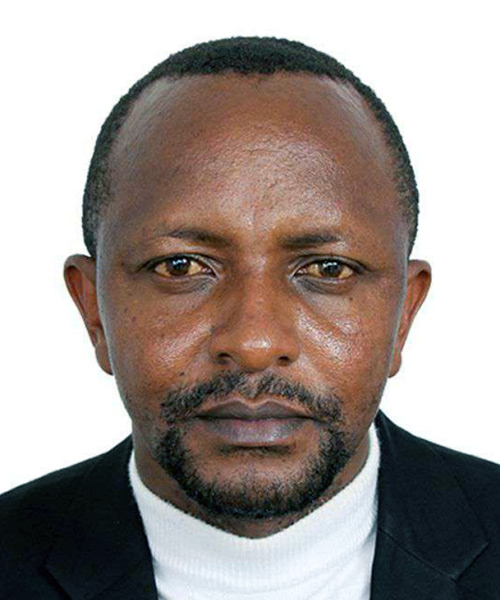
Prof Dr Jonathan Mulwa
Dean, School of Arts, Social Sciences and Business, Rongo University
Prof. Jonathan Mwau Mulwa is an Associate Professor of Finance and the current Dean of the School of Arts, Social Sciences and Business at Rongo University, Kenya. With over a decade of experience in higher education management and corporate banking, he previously served as Head of the Department of Business Studies. He holds a Ph.D. in Finance from Moi University, alongside an MBA and a BBM in Finance and Banking. Prof. Mulwa is a full member of the Kenya Institute of Management (MKIM) and an active Google Scholar author. His extensive research focuses on financial intermediation, banking diversification, corporate governance, and stock market performance. Beyond academia, he serves as a managing partner and consultant for local corporate and enterprise ventures.
Competency-Based Transformation and Challenges in Rural Kenya
This presentation explores the structural transition toward competency-based education and the critical logistical realities of executing development initiatives within resource-constrained environments. Drawing directly from his extensive fieldwork in rural regions like Homa Bay, Prof. Mulwa addresses systemic challenges such as infrastructure gaps, power volatility, and digital access disparities. He will contextualise these challenges through real-world milestones achieved by the DEVISE4KE Erasmus+ project, a collaborative international consortium where Rongo University leads local curriculum integration, digital skills training, and solar-powered educational transformation.
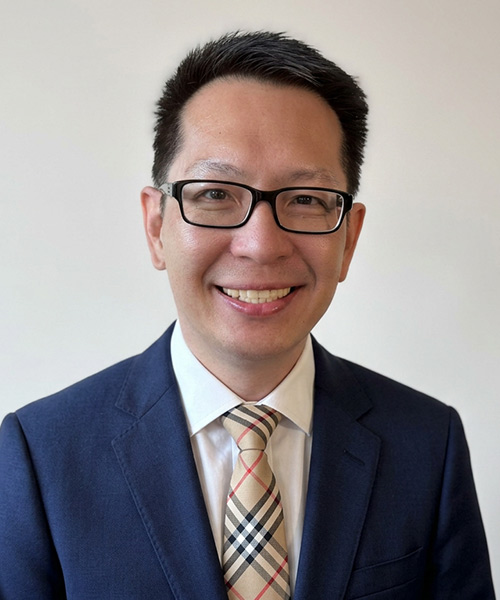
Dr Julian Ng
CEO, Warnborough Worldwide
Dr Julian Ng is the CEO of the Warnborough Worldwide Education Group. He has over 30 years of experience in education, specialising in teaching methodologies. He has developed complex web systems for companies as well as educational institutions since 1996. In 1997, he developed a fully online model of education for Warnborough College and created a blended learning model for students in selected countries. He has worked with learners and teachers in 30 countries and has an understanding of over 10 languages. He was President of IVETA until 2024. He wrote the work-based learning quality assurance guidelines for Malta (2023) and is a consultant for the Commonwealth of Learning. He has worked on microcredentials and the co-creation of knowledge, and is currently developing AI-augmented learning methodologies.
Proof of Skill: How Digital Transformation is Falling Short
It is true that digital transformation is important for a multitude of reasons. However, most efforts have been spent on delivery (e.g. platforms, content). This presentation looks at how the digital impetus is NOT 'transforming' the workforce and industry, and what solutions can be had.

Dr Moses Njenga
Researcher, Machakos University
Moses is a lecturer and researcher with extensive experience in Kenya’s TVET sector. His broad research interests span policy reform in Kenya’s TVET sector, TVET teacher continuing professional development (CPD), and interventions aimed at enhancing the pedagogical practices of TVET teachers. Part of his current research focuses on the adoption of artificial intelligence for academic purposes among students and teachers in Kenya. His previous research has examined the personal, organizational, and systemic factors influencing the continuing professional development practices ofTVET teachers in Kenya.Currently, he works as a lecturer in the Department of Educational Management and CurriculumStudies at Machakos University, where he teaches educational sciences and research methods. He has published extensively and has also served as a reviewer for various journals and conferences. He obtained his PhD in Adult Education from Eötvös Loránd University in Hungary.
Leveraging AI to Support TVET Students with Special Educational Needs in Kenya
This article reports the findings of a study examining current practices in the development of Individualized Education Plans (IEPs) for Technical and Vocational Education and Training (TVET) students with Special Educational Needs. The broader aim of the study was to inform the development of AI-based interventions to support IEP development. Findings indicate that paper-based approaches remain the dominant method for developing IEPs, with limited adoption of digital tools. Nevertheless, SNE-VET teachers expressed nuanced views on the use of artificial intelligence, recognizing its potential to enhance IEP development while acknowledging its technical limitations and the need for ethical and responsible implementation. The study therefore recommends that investments in AI-enabled tools for IEP development be accompanied by teacher training on the effective use of AI and on translating IEPs into meaningful pedagogical practices. Investments in AI should also prioritize locally hosted solutions to enhance data security, protect learner privacy, and ensure compliance with relevant data governance requirements.
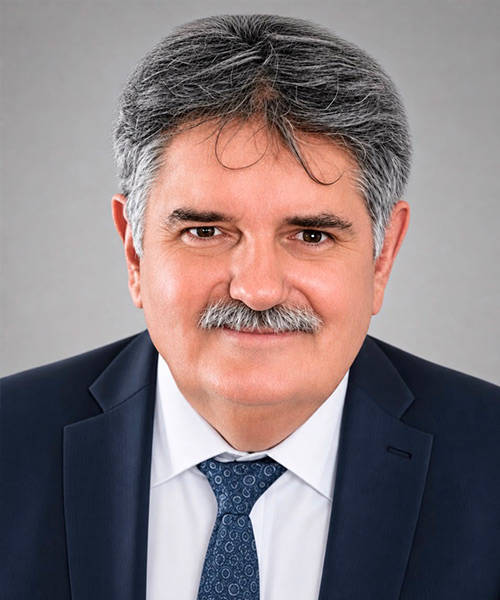
Stephen Theron
CEO, GoGro Consultants
Stephen Theron is Founder and CEO of GoGro Consultants (Pty) Ltd, a South African consultancy specialising in work readiness, international career coaching and skills development. An MBA graduate of North-West University and GIZ Master Trainer, Stephen began his career as a Red Seal-qualified plumber and ran his own plumbing business for 13 years before moving into TVET.He has over 13 years’ experience in TVET, competency-based education and artisan development across Africa, working with GIZ, the Commonwealth of Learning, African Development Bank and EU/BMZ-funded programmes.Through GoGro, he leads GEEPA, supporting African tradespeople to prepare for international career opportunities. He serves as a acceleration consultant across six African countries, with a strong interest in transformative TVET leadership, employability and skills development policy.He is the founder and host of the popular TVET Africa podcast
From Access to Employment: Why Digital Transformation Must End in Opportunity
Stephen Theron argues that digital access is only the start. Drawing on more than three decades in TVET, workforce development and employability, he sets out a practical pathway — Access, Learn, Prove, Connect, Work — and challenges education systems to move beyond certificates and logins toward demonstrable competence, employer engagement and real routes into work. Technology, including AI, is a means. The measure of success is who gets opportunity.